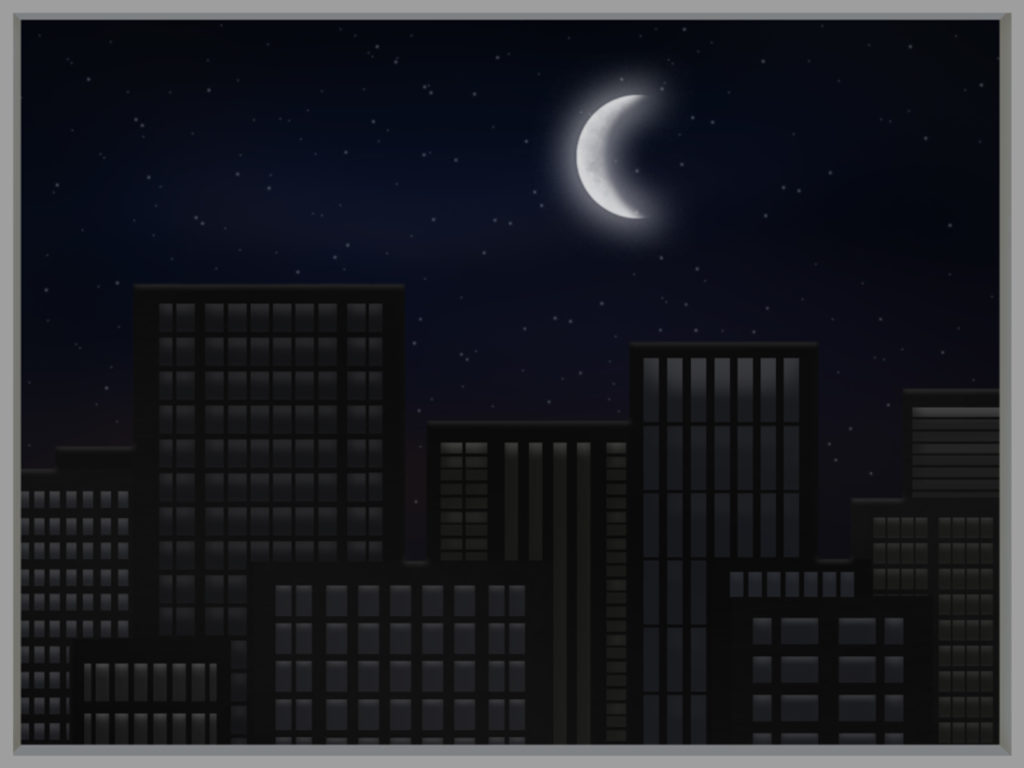
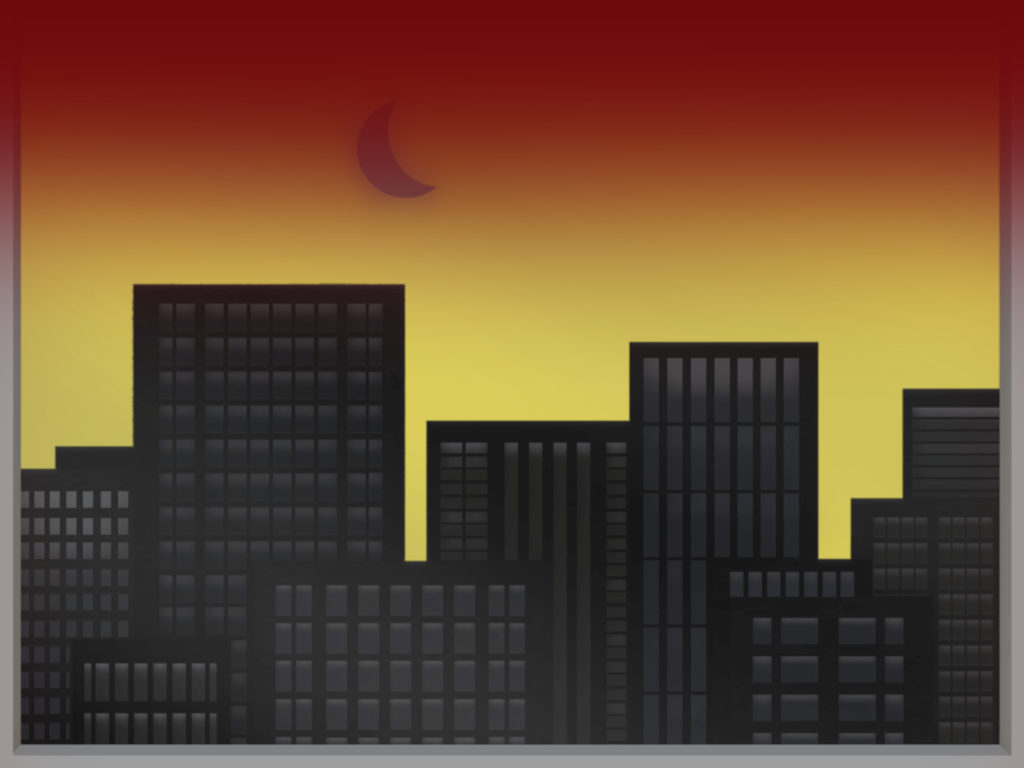
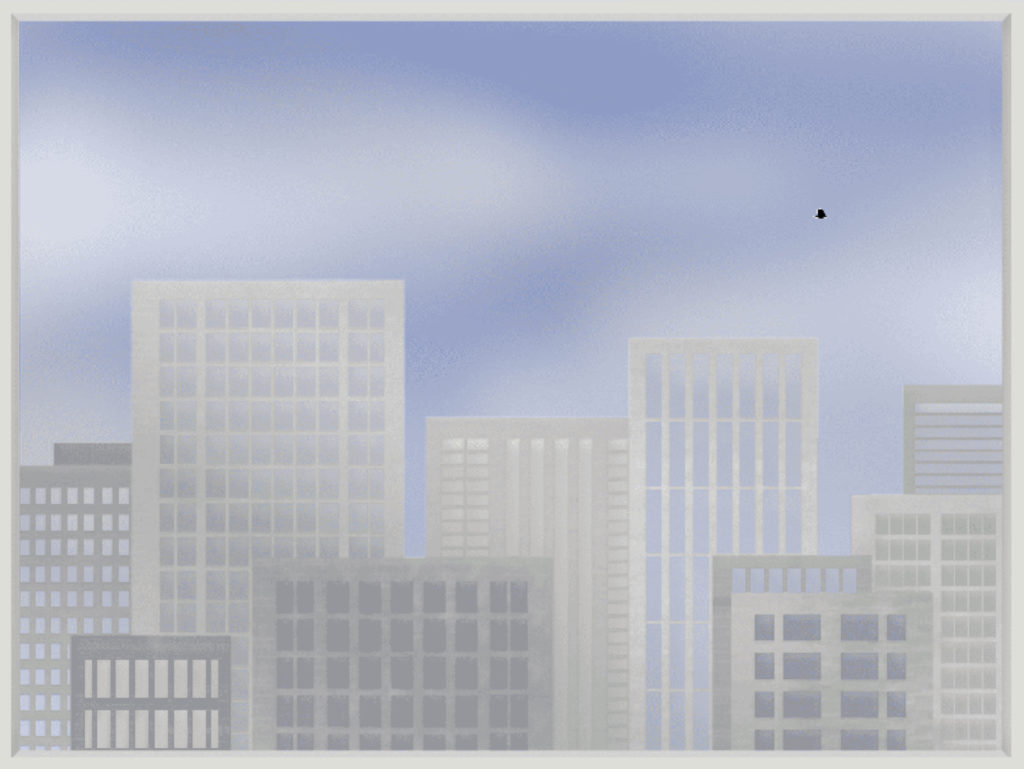
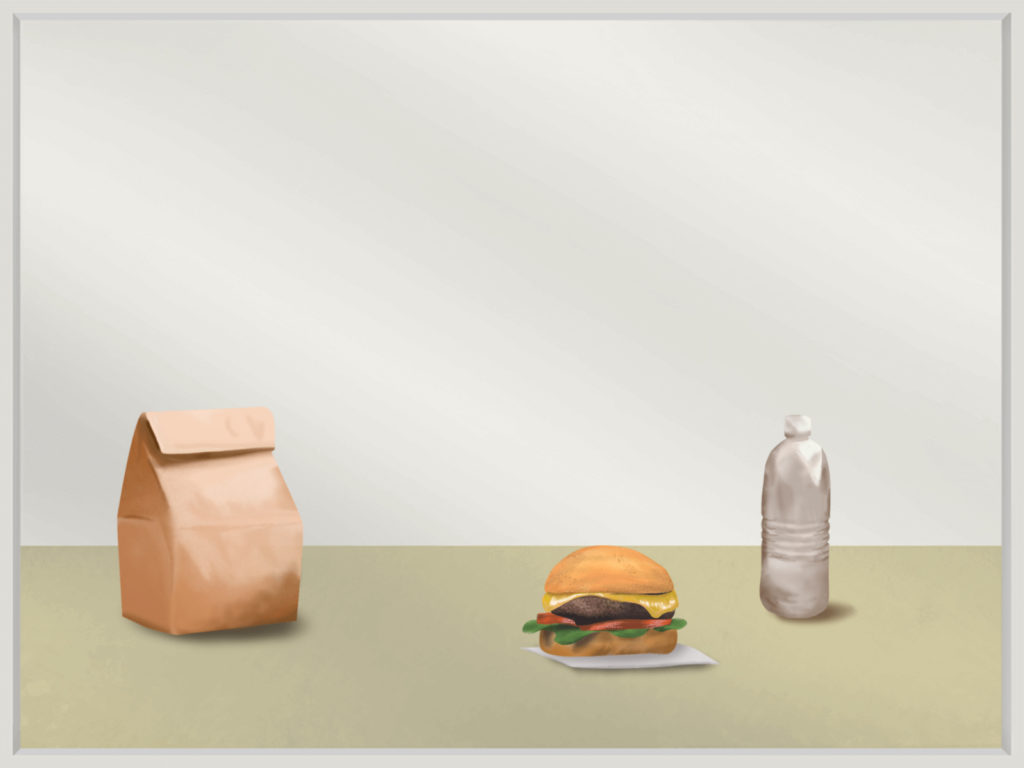
The structure is the answer. We treated the twenty-four hours as the information architecture of the piece, twenty-four distinct scenes, one per hour, that the visitor moves through as a sequence and as a space. Navigation is built into the world rather than added as a menu, so finding the next hour is part of the experience, not a step you complete to get past it.
The interaction model is deliberately small and physical. The visitor explores by hovering, clicking and dragging, and each scene answers those inputs in its own way, so the controls are learned by doing rather than explained up front. That was the central design decision, and it carries a real tradeoff: by removing instructions and any fixed goal, we traded efficiency for curiosity. The piece is slow and open on purpose, which fits the mood of the writing but asks the visitor to be patient. Designing the feedback so that exploring always feels rewarding and never lost was the heart of it.
Format
Browser-based interactive piece
24 scenes, one per hour
HTML, CSS, JavaScript
Role
UX Design
UI Design
Interaction Design
Visual Design